10 GRIN alternatives worth comparing in 2026 (after GRIN changed how it charges)
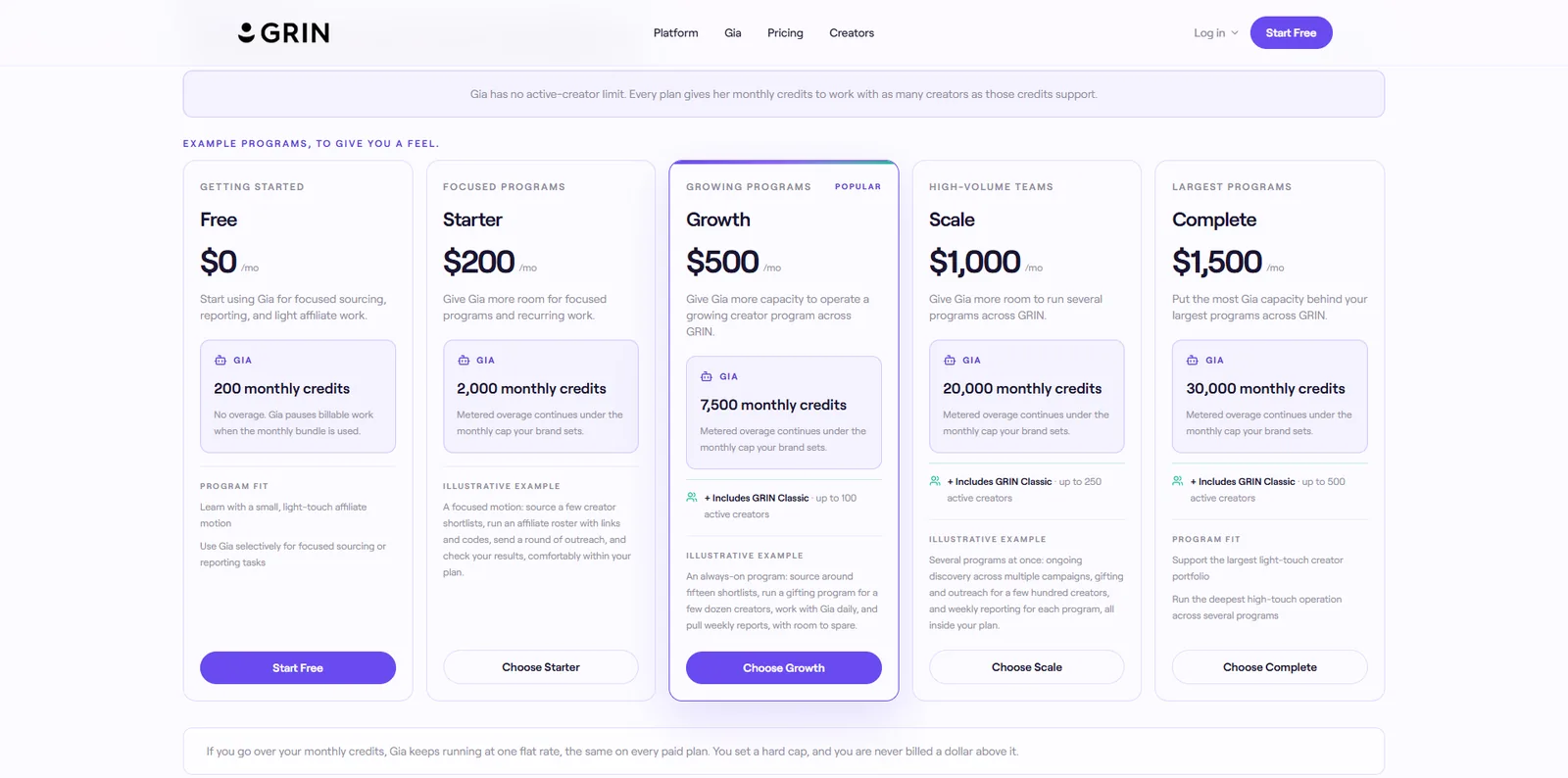
TL;DR: GRIN repriced. It now publishes five self-serve plans at $0, $200, $500, $1,000, and $1,500 a month, month to month, with no required sales call and no per-seat charge. Most "GRIN alternatives" lists still quote the old $25,000/yr enterprise contract, and they are wrong. This page compares 10 alternatives against what GRIN charges today. Leewou is first for teams whose main job is finding and vetting creators rather than running ecommerce affiliate programs.
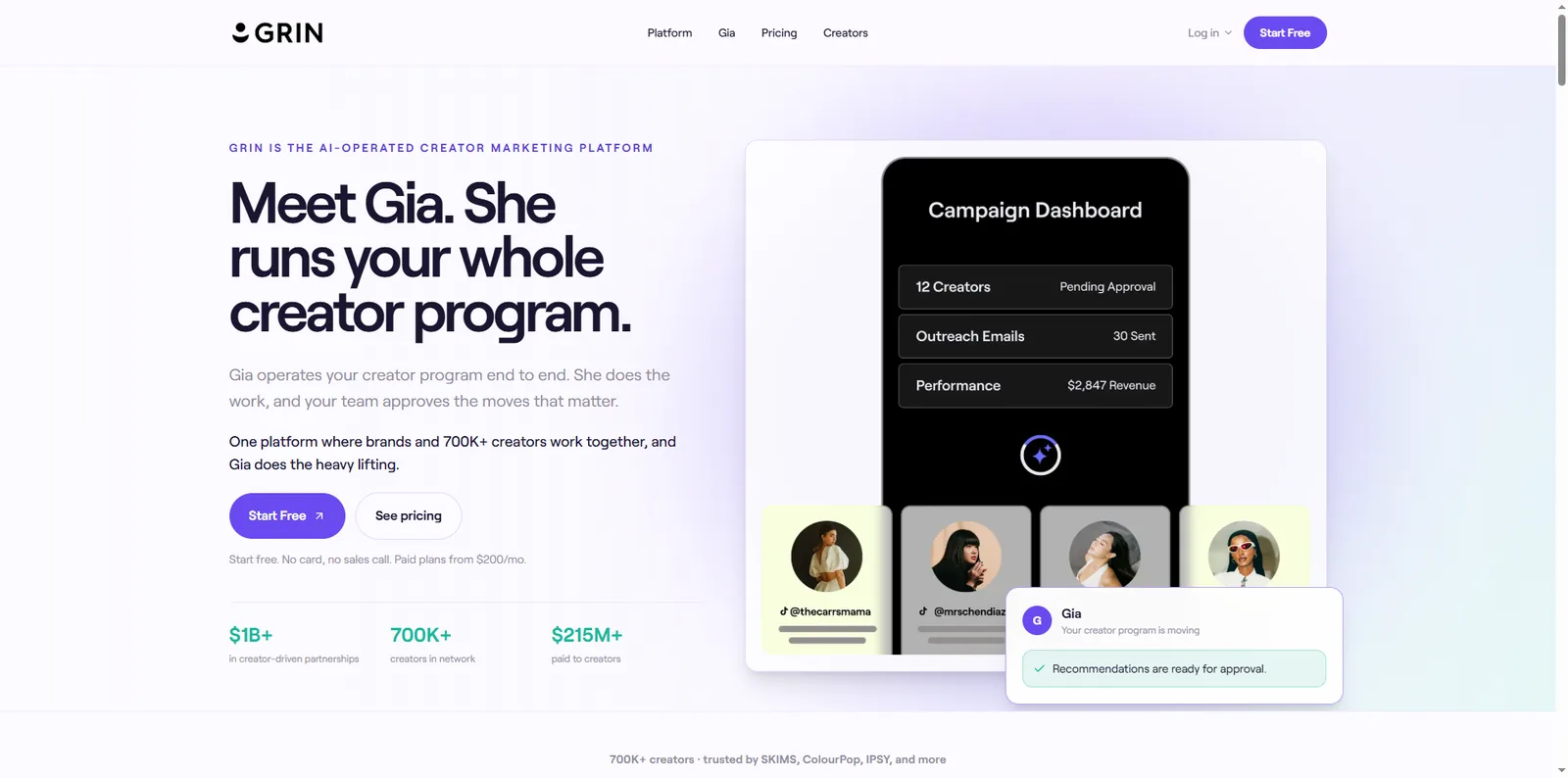
If you searched for GRIN alternatives because you heard it costs $25,000 a year, start here: that is no longer the price. GRIN moved to published, self-serve, month-to-month plans, and the entry tier is free.
That's an awkward thing for us to lead with, since we're on this list too. But a comparison page built on a two year old number is worthless to you, and most of the ones ranking for this search are exactly that. So here's the current picture, then the honest question of whether GRIN's new model actually fits what you're doing.
What GRIN costs now, and why the old number stuck around
GRIN's pricing page lists five plans: Free at $0, Starter at $200/mo, Growth at $500/mo, Scale at $1,000/mo, and Complete at $1,500/mo. Its own terms are "month-to-month, self-serve, no required sales call" and "no annual contract, no minimum commitment." Plans are not priced per seat, and Growth and above include five user logins.
The old reputation was earned. Buyer guides and procurement data have long put GRIN contracts at $25,000/yr and up, with Vendr reporting mid-market deployments between $50,000 and $100,000. That's what people were reacting to in threads like this one:
For our clients we use GRIN. Which I really like and have got to know well. Although I was surprised when I learned how expensive it is.
edills1216, r/influencermarketing
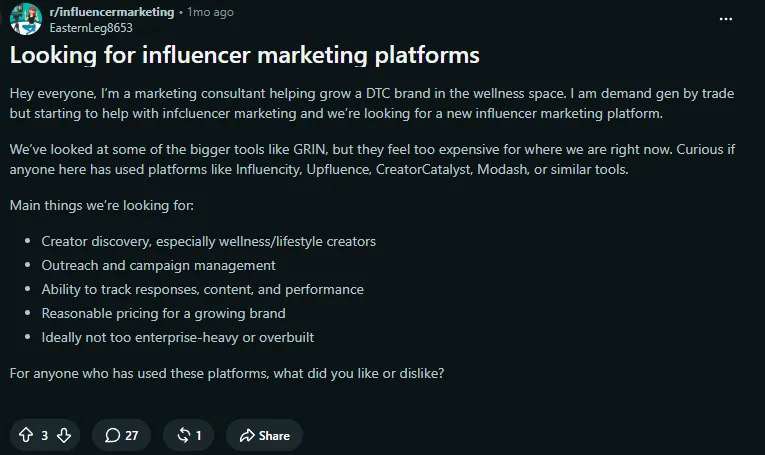
And this one, from a consultant sizing up options for a DTC brand:
We've looked at some of the bigger tools like GRIN, but they feel too expensive for where we are right now.
EasternLeg8653, r/influencermarketing
Those posts are real and recent enough to matter, but they describe the old model. If price was your only objection to GRIN, go look at the free plan before you read the rest of this page. We would rather you find the right tool than pick ours for a reason that stopped being true.
The catch is that you're buying credits, not a flat seat
GRIN's plans are metered in monthly credits consumed by Gia, its AI agent: 200 on Free, 2,000 on Starter, 7,500 on Growth, 20,000 on Scale, 30,000 on Complete. Gia itself has no active-creator limit, it works with as many creators as your credits support. The separate GRIN Classic access bundled into each tier is the part capped by roster size, at up to 100 active creators on Growth, 250 on Scale, and 500 on Complete.
Credit for credit, GRIN handles the overage question better than most usage-based products. Its pricing page states that if you exceed your monthly credits, Gia keeps running at one flat rate that's the same on every paid plan, you set a hard cap, and you are never billed above it. On Free there's no overage at all, Gia just pauses billable work when the bundle runs out.
So the risk here isn't a surprise invoice. It's throughput. Credits still map to how much work the agent can do for you in a month, which means the question to ask before you buy is how many credits your actual workflow burns, not what the plan costs.
It is still an ecommerce-shaped product
The pricing changed. The center of gravity did not. GRIN is built around ecommerce brands running affiliate links, product seeding, and creator payouts, usually on Shopify. That's what a marketer summarising the category said about it, and it still reads true:
GRIN is optimized for shopping systems such as Shopify, allowing you to automatically track influencer turnover performance.
99chesthairs, r/influencermarketing
If you run a store and want seeding, affiliate, and payouts in one place, that bundle is the point of the product. If your actual job is finding creators and checking whether their audience is real, you're paying for logistics tooling to reach a search box.
10 GRIN alternatives, and where each one actually fits
Disclosure: Leewou is ours, so it's first. The rest are ordered by how often they come up as real GRIN swaps in the threads linked here. Nobody paid for placement.
1. Leewou
Best for: teams whose bottleneck is discovery and vetting rather than seeding logistics, and who want a flat bill instead of a credit meter.
| Leewou | GRIN | |
|---|---|---|
| Entry price | $149/mo ($99/mo billed yearly) | $0 Free, then $200/mo Starter |
| Published price list | All tiers public | All five plans public |
| Pricing model | Flat tier, unlimited search, credits for analysis | Metered by monthly Gia credits |
| Contract | Monthly or yearly, cancel anytime | Month to month |
| Creator index | 430M+ profiles | Exact figure not published |
| Platforms covered | Instagram, TikTok, YouTube | Instagram, TikTok, YouTube and more |
| Seats on entry paid tier | 2 | Not priced per seat, 5 logins from Growth up |
| Built around | Discovery, audience analysis, vetting, campaign monitoring | Ecommerce seeding, affiliate, and creator payouts |
Being straight about the one number that doesn't favor us: GRIN's free plan is free, and Leewou's entry tier is $149/mo. If you want to spend nothing, GRIN wins that comparison and we're not going to pretend otherwise.
What you get for the $149 is a different pricing shape. Leewou searches 430M+ profiles across Instagram, TikTok, and YouTube from around 950 followers, and search is unlimited on every plan. Credits only move when you analyze a profile or unlock an email. Browsing, filtering, and re-running a search fifteen different ways costs nothing, so the bill doesn't punish you for looking.
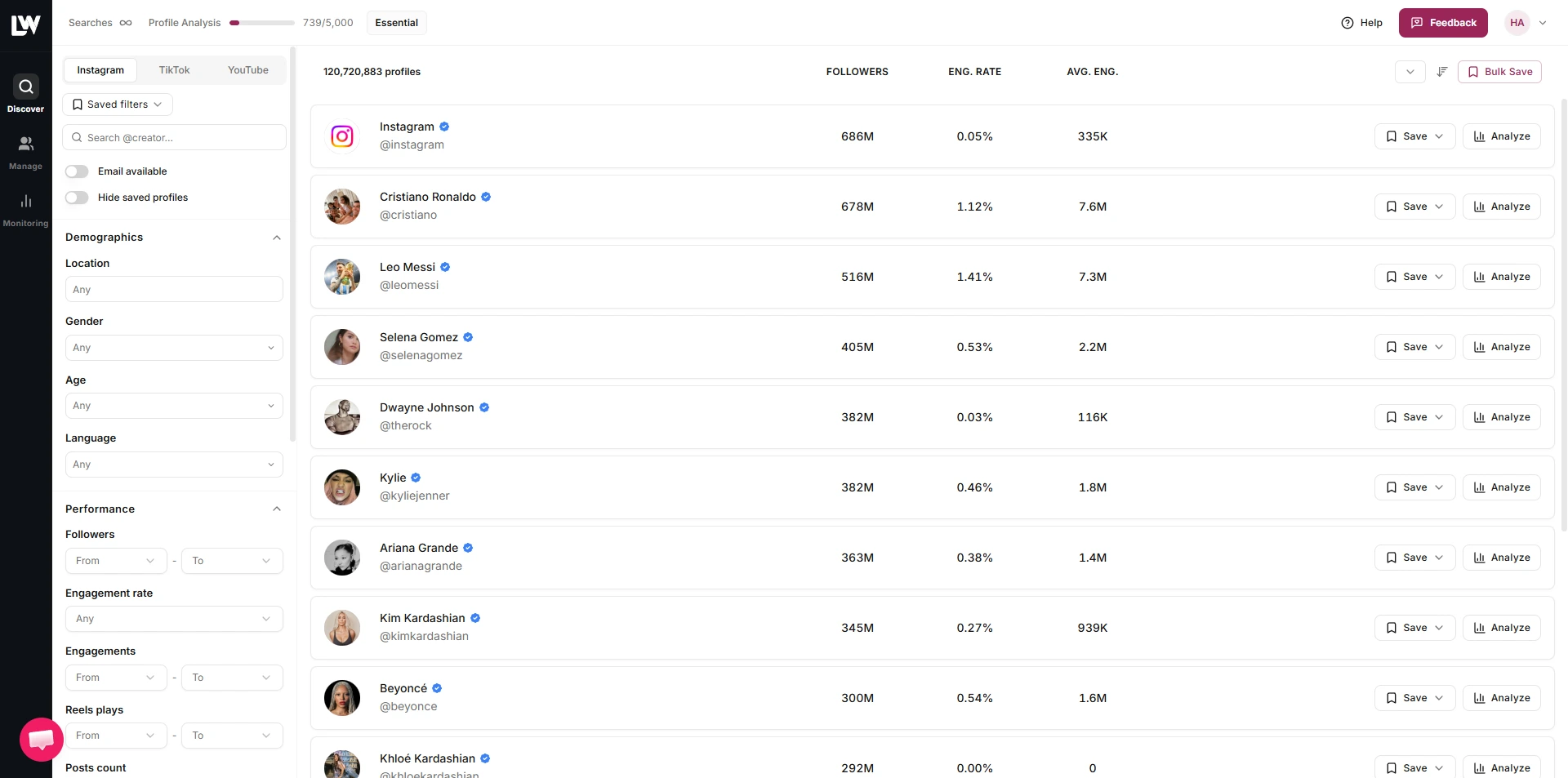
After discovery, creators go into shared lists with notes and vetting status, then into campaign monitoring that matches live posts to your campaign terms. There's no affiliate module, no payments, no seeding logistics. That's the honest trade: GRIN does more things, Leewou goes deeper on the research half and charges a predictable amount for it.
Pricing: Essential $149/mo ($99/mo billed yearly) with 300 analyses and 2 seats, Performance $299/mo ($249/mo billed yearly) with 800 analyses and 5 seats, Enterprise from $6,999/yr. 14 day free trial, no credit card. If you only need one part, analysis alone or monitoring alone, we'll price around that and it usually comes in under Essential.
A flat price and a search that does not burn credits
430M+ creators, unlimited search on every plan, 14 days free. No credit card.
2. Modash
Best for: Shopify brands who want GRIN's use case with a flat, published subscription.
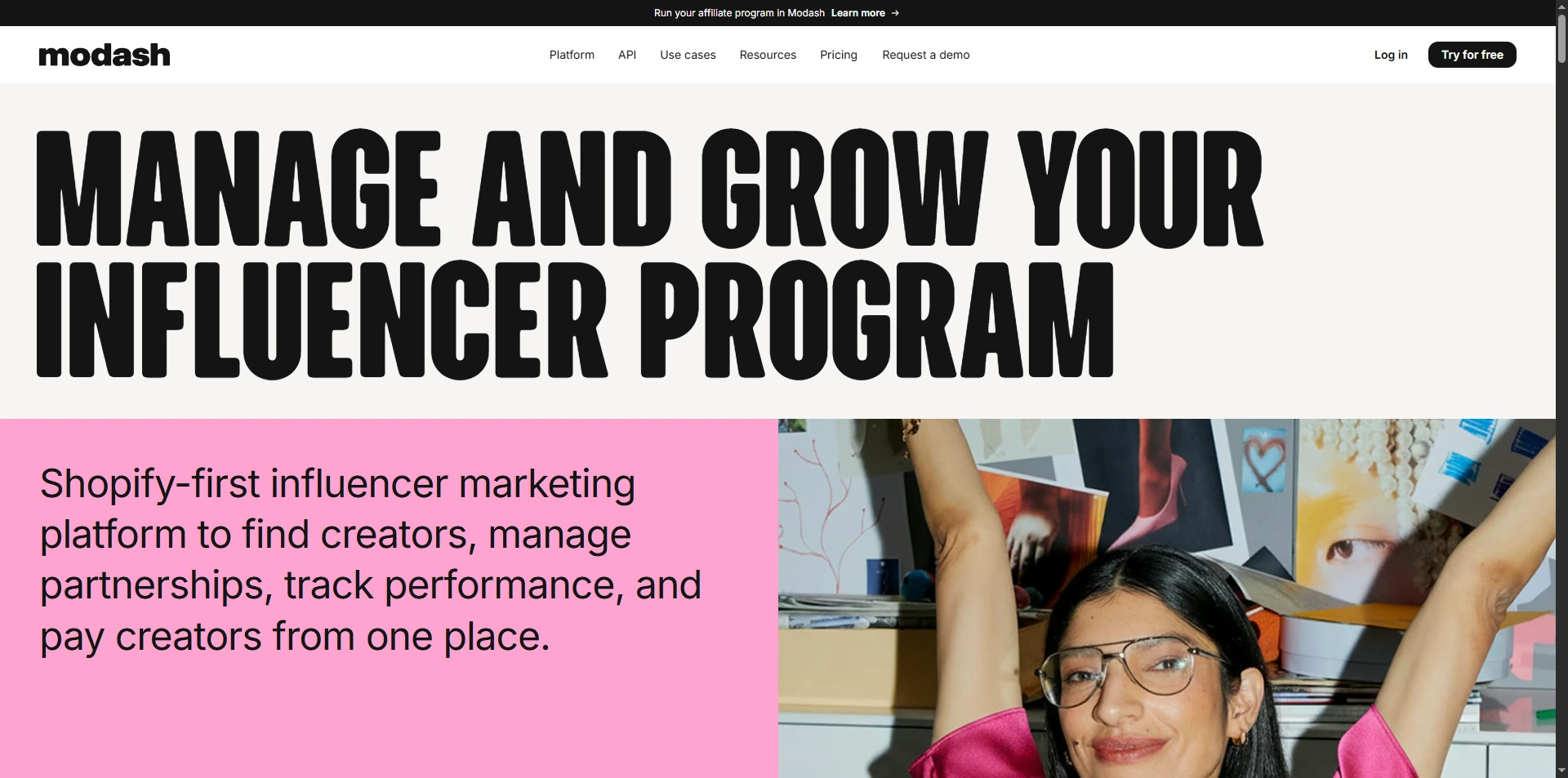
Modash is the closest like-for-like swap if you're staying in ecommerce. Essentials is $299/mo with 2 seats, 300 opened profiles, and 150 email unlocks, and its homepage headline is "End-to-end influencer marketing for shopify brands." Flat tiers rather than credits, which is easier to budget than a metered agent.
3. Aspire
Best for: brands running UGC and affiliate at volume with a dedicated influencer team.
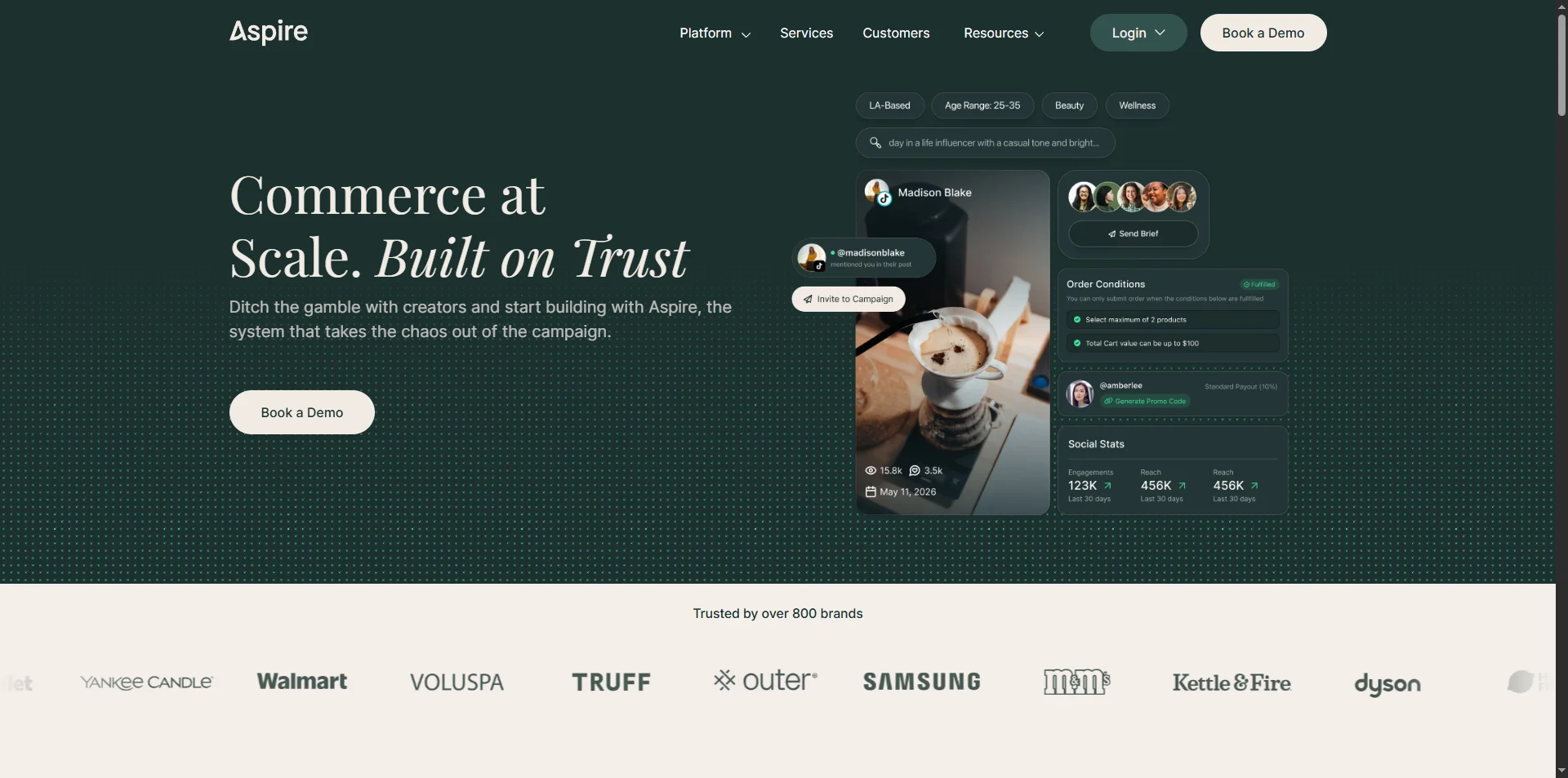
Aspire is the tool most often mentioned in the same breath as GRIN, and it kept the enterprise model GRIN just left. One buyer reported being quoted $1,400 to $1,800/mo on an annual contract, and other guides report $2,000 to $2,499/mo. Strong at content licensing, and now the more expensive of the two.
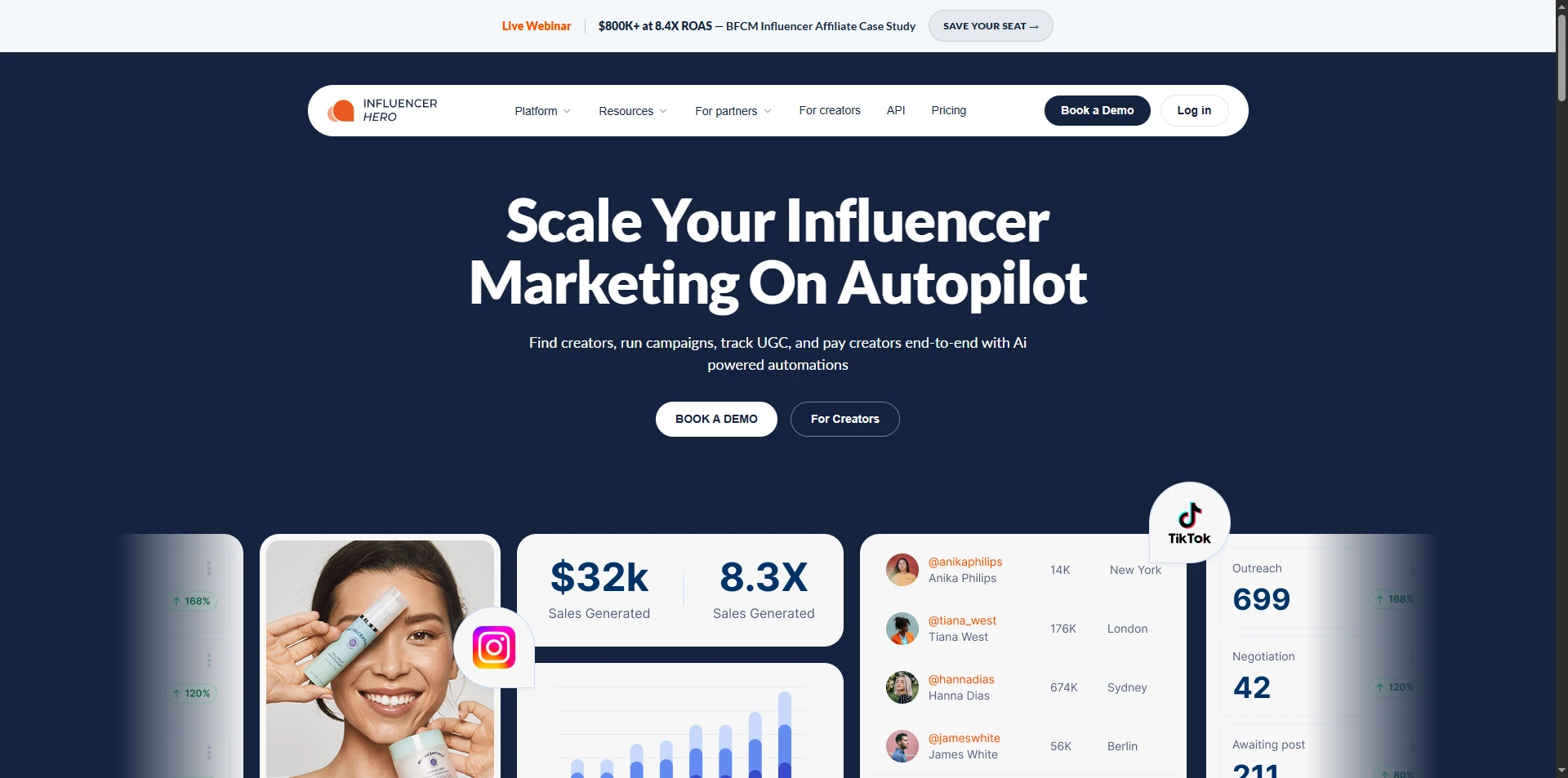
4. Influencer Hero
Best for: Shopify and Amazon sellers running seeding at high volume with a real CRM.
Influencer Hero competes directly with GRIN on seeding automation and content tracking, including Stories, which several marketers single out as the hard part. A buyer comparing it against Aspire and Upfluence was quoted $839/mo and preferred it for monthly billing. Worth a look if seeding logistics is exactly why you were on GRIN.
5. Upfluence
Best for: larger teams folding influencer marketing into a wider ecommerce and CRM stack.
Upfluence is quote-only. G2 reports a $478/mo floor, while buyers report actual quotes of $1,400 to $1,800/mo on annual contracts. If you're leaving GRIN because of contract friction, note that Upfluence still has the model GRIN abandoned.
6. HypeAuditor
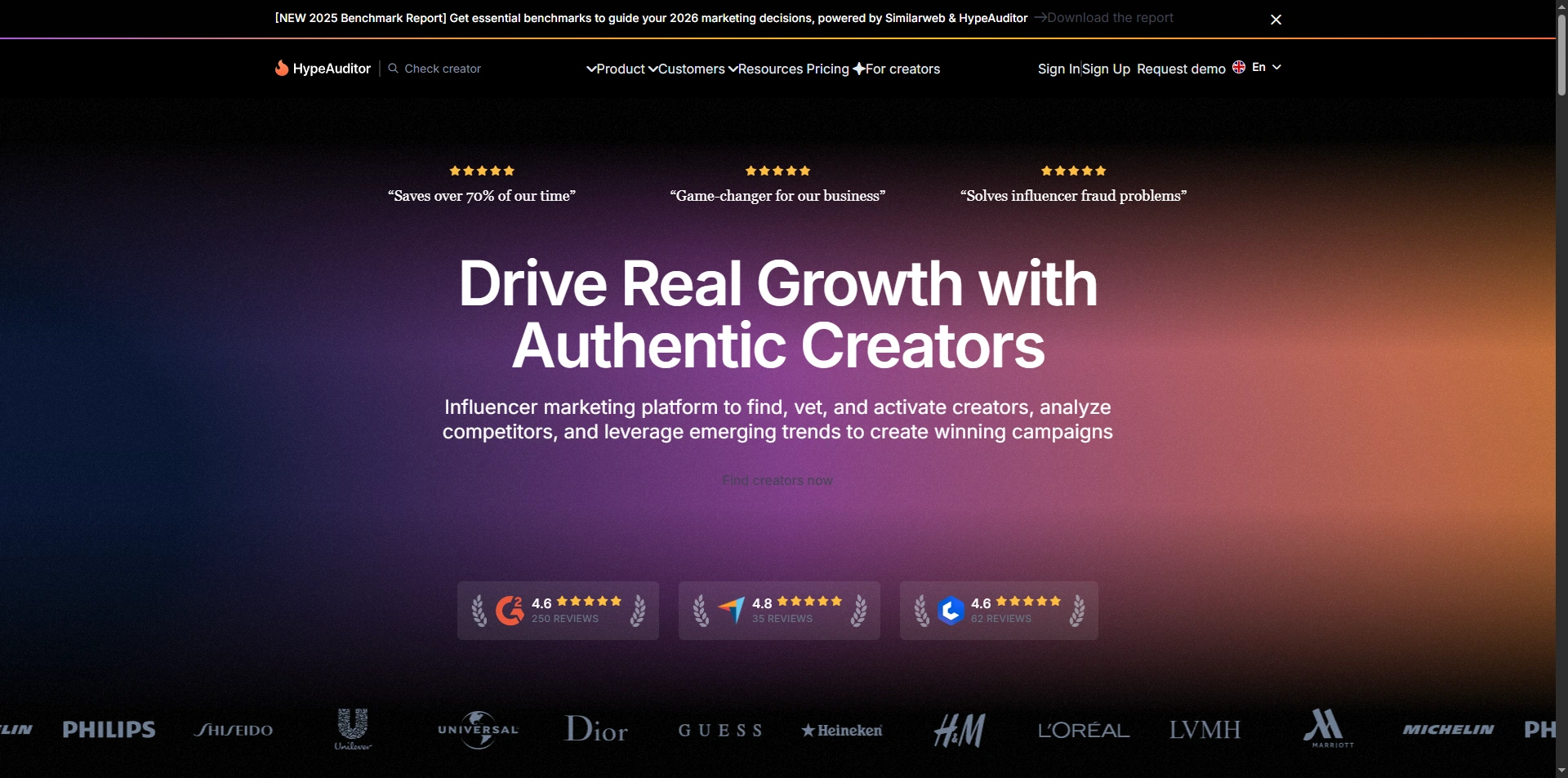
Best for: teams that need deep audience audits and fraud checks.
HypeAuditor's Basic plan is $299/mo billed annually. Its own documentation notes Basic ships without AI Search and the Account Quality Score filter, so check which tier includes the filter you want. It covers X and Twitch, which GRIN and most of this list do not.
7. Influencity
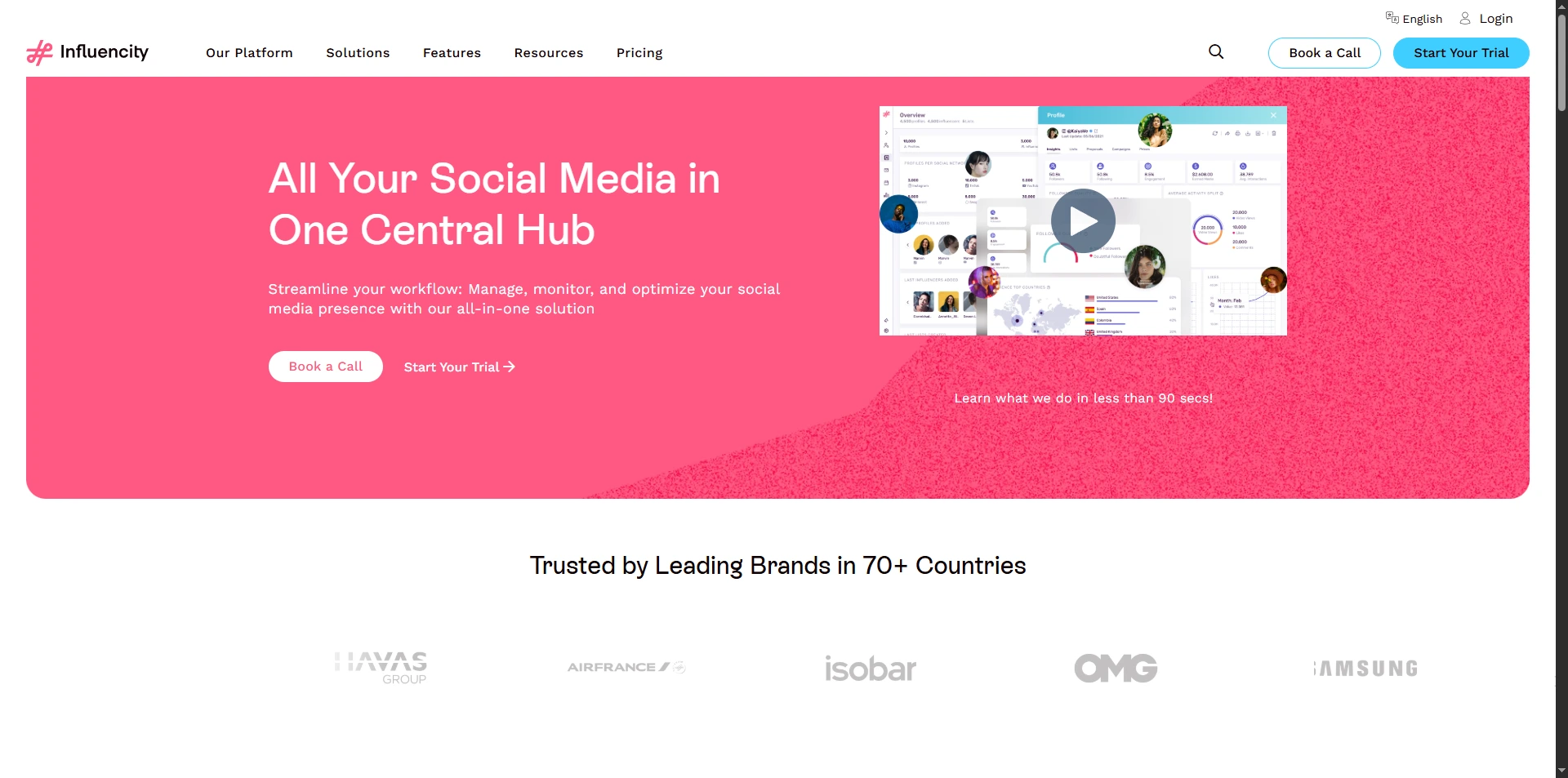
Best for: agencies managing several client accounts under one login.
Influencity is reported at $318/mo on its Professional tier, with 10,000 monthly results and 150 profile analyses, and a workspace model built for agency client separation. A reasonable GRIN swap if you were using GRIN across multiple clients and found the structure awkward.
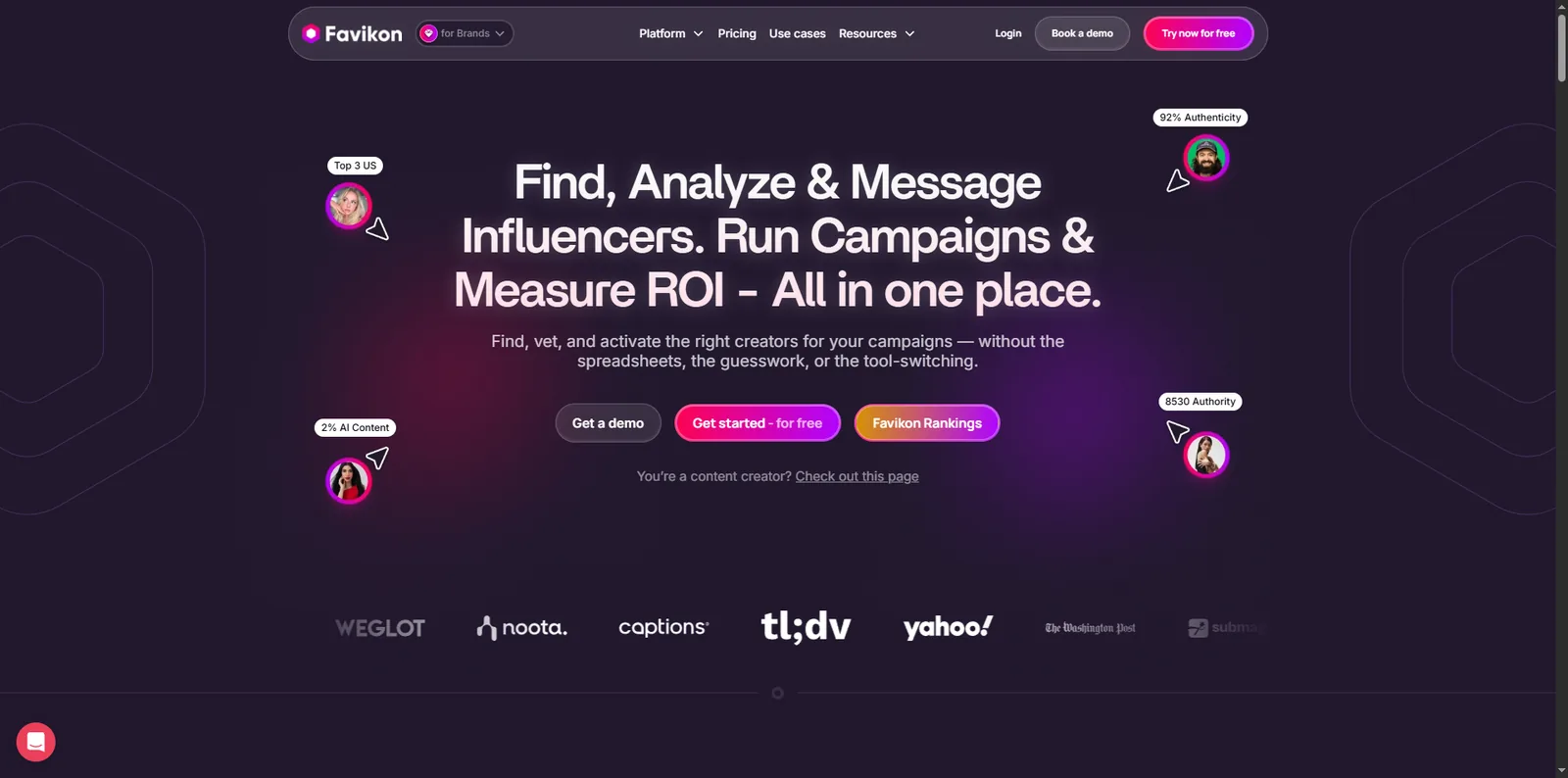
8. Favikon
Best for: B2B creator search, especially LinkedIn.
Favikon's Core plan is $199/mo, or $159/mo billed yearly, with a 7 day trial and nine channels covered including LinkedIn and Substack. It's the wrong tool for ecommerce seeding and the only real option here if your creators are B2B.
9. Heepsy
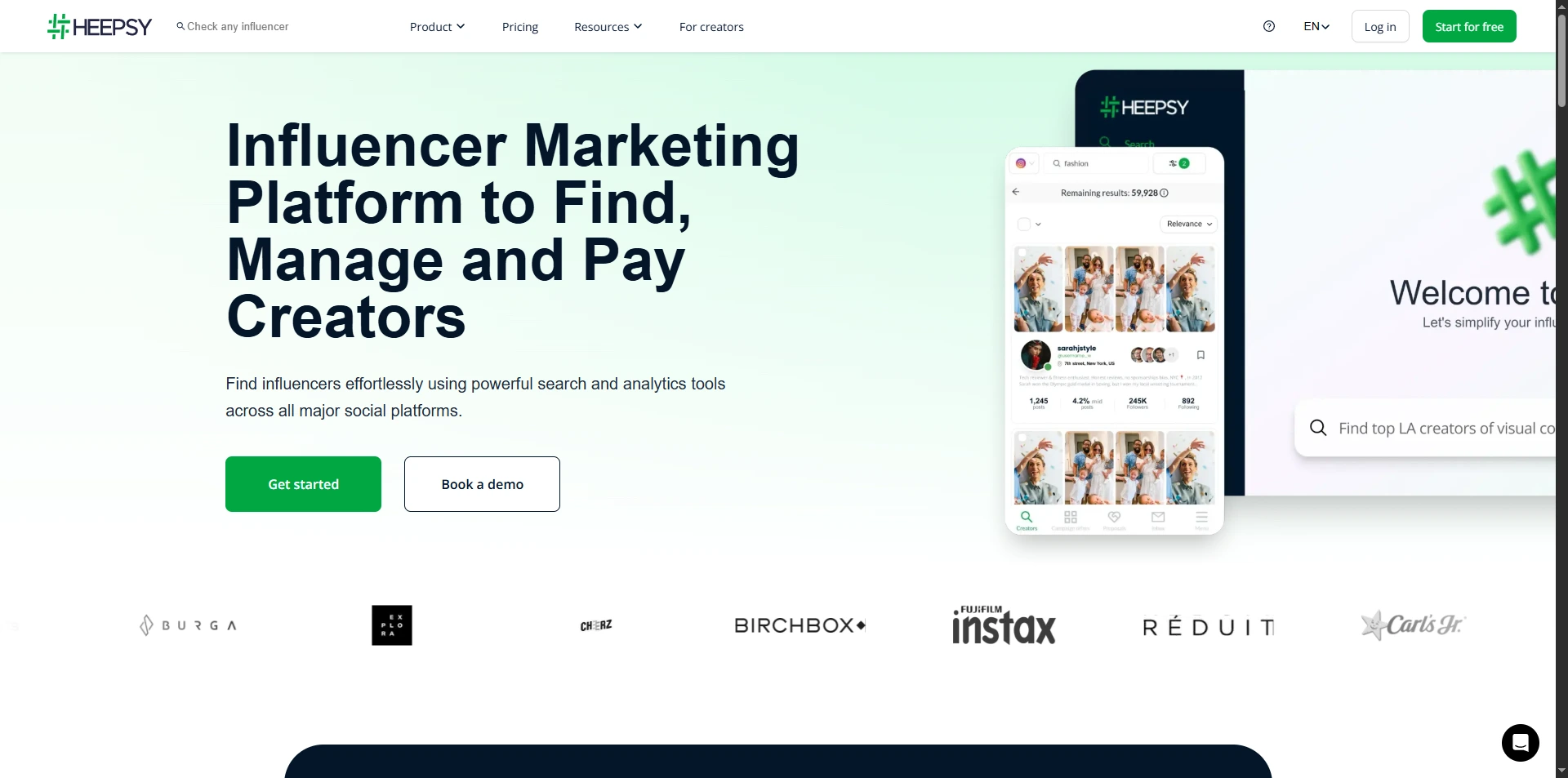
Best for: small teams that want light discovery cheaply.
Heepsy starts around $69/mo with a limited free tier. Now that GRIN has a free plan of its own, Heepsy's main edge is a simpler product rather than a lower price. Reviews note the CRM and campaign tracking stay thin as you scale.
10. CreatorIQ
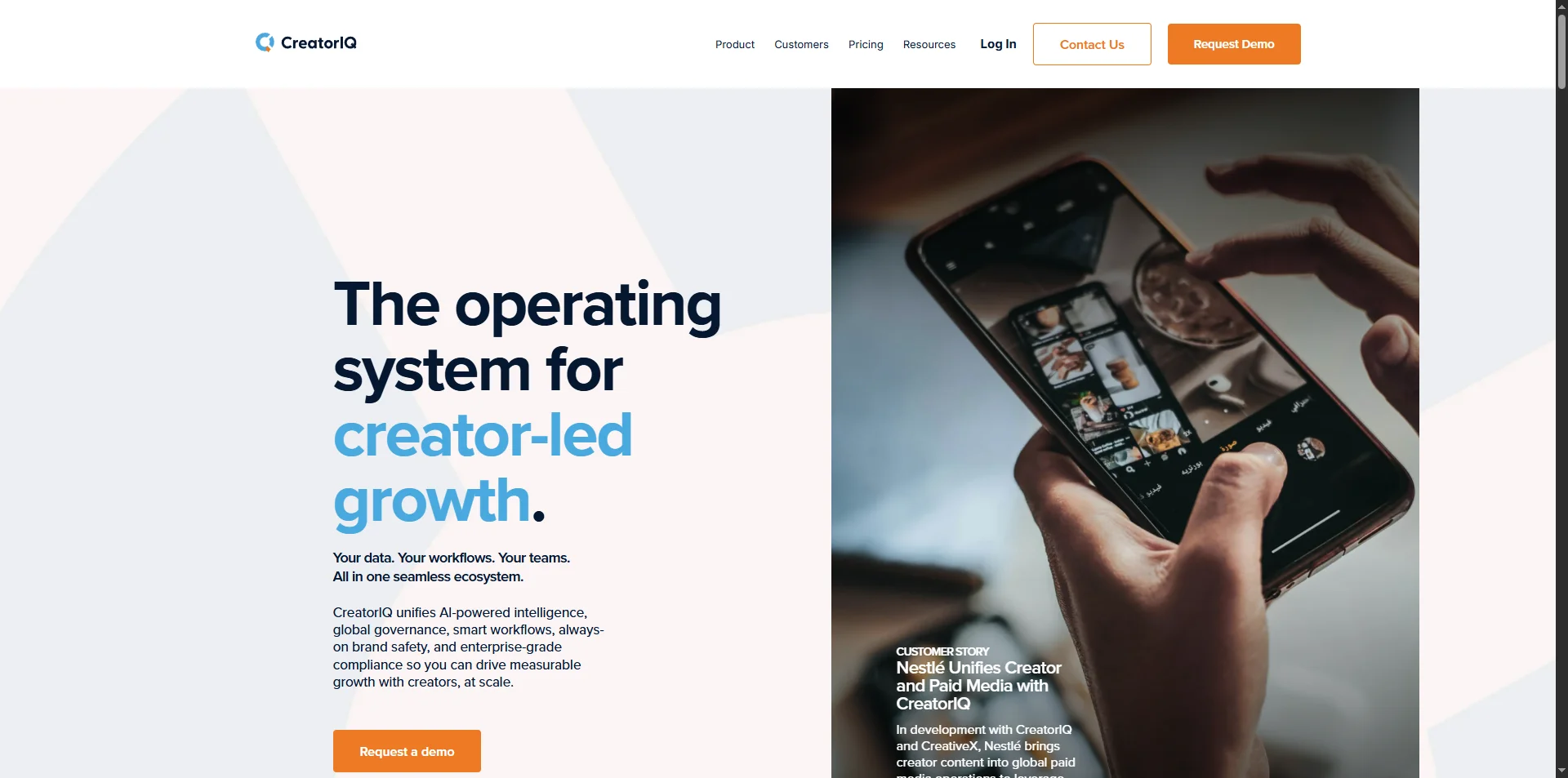
Best for: enterprise programs that expect a dedicated success manager.
CreatorIQ remains demo-and-quote, with procurement data putting entry contracts at $25,000 to $60,000/yr. It now sits where GRIN used to. If you're moving because GRIN felt limiting rather than expensive, this is the direction, and the cost follows.
Full pricing comparison
| Tool | Starting price | Pricing model | Best for |
|---|---|---|---|
| Leewou | $149/mo ($99/mo yearly) | Flat tier, unlimited search | Discovery and vetting depth, predictable bill |
| GRIN | $0 free, paid from $200/mo | Metered by AI credits, month to month | Ecommerce seeding, affiliate, and payouts |
| Modash | $299/mo ($399/mo month-to-month) | Flat tier | Shopify brands wanting a published price |
| Aspire | $1,400-$2,499/mo (reported) | Annual quote | High-volume UGC and affiliate programs |
| Influencer Hero | $649/mo Standard | Monthly available | Seeding at volume with a strong CRM |
| Upfluence | $478/mo reported floor, $1,400-$1,800/mo quoted | Annual quote | Larger teams on a wider ecommerce stack |
| HypeAuditor | $299/mo billed annually | Annual, metered by tier | Audience audits, plus X and Twitch |
| Influencity | $318/mo Professional (reported) | Monthly or yearly | Agencies with multiple client accounts |
| Favikon | $199/mo ($159/mo yearly) | Flat tier plus credits | B2B and LinkedIn creator search |
| Heepsy | $69/mo Starter (reported) | Monthly or yearly, free tier | Small teams, light discovery |
| CreatorIQ | $25,000-$60,000/yr (reported) | Annual quote | Enterprise programs with a success manager |
Flat pricing versus a credit meter
GRIN's new model is genuinely better for a lot of teams. It's also a different kind of bill. You're buying a pool of credits that an AI agent spends, which means your cost tracks how much work the agent does rather than how many people are logged in.
Credit to GRIN for capping the downside: overage runs at one flat rate and you set a hard ceiling, so the bill can't run away from you. What credits do decide is how much the agent will do before you hit that ceiling. The month you source 400 creators for a launch is the month you learn what your tier actually covers.
Leewou splits it differently. Search is unlimited and never metered, so the exploratory part of the work is free forever. Credits only move on analysis and email unlocks, which are the actions you deliberately choose.
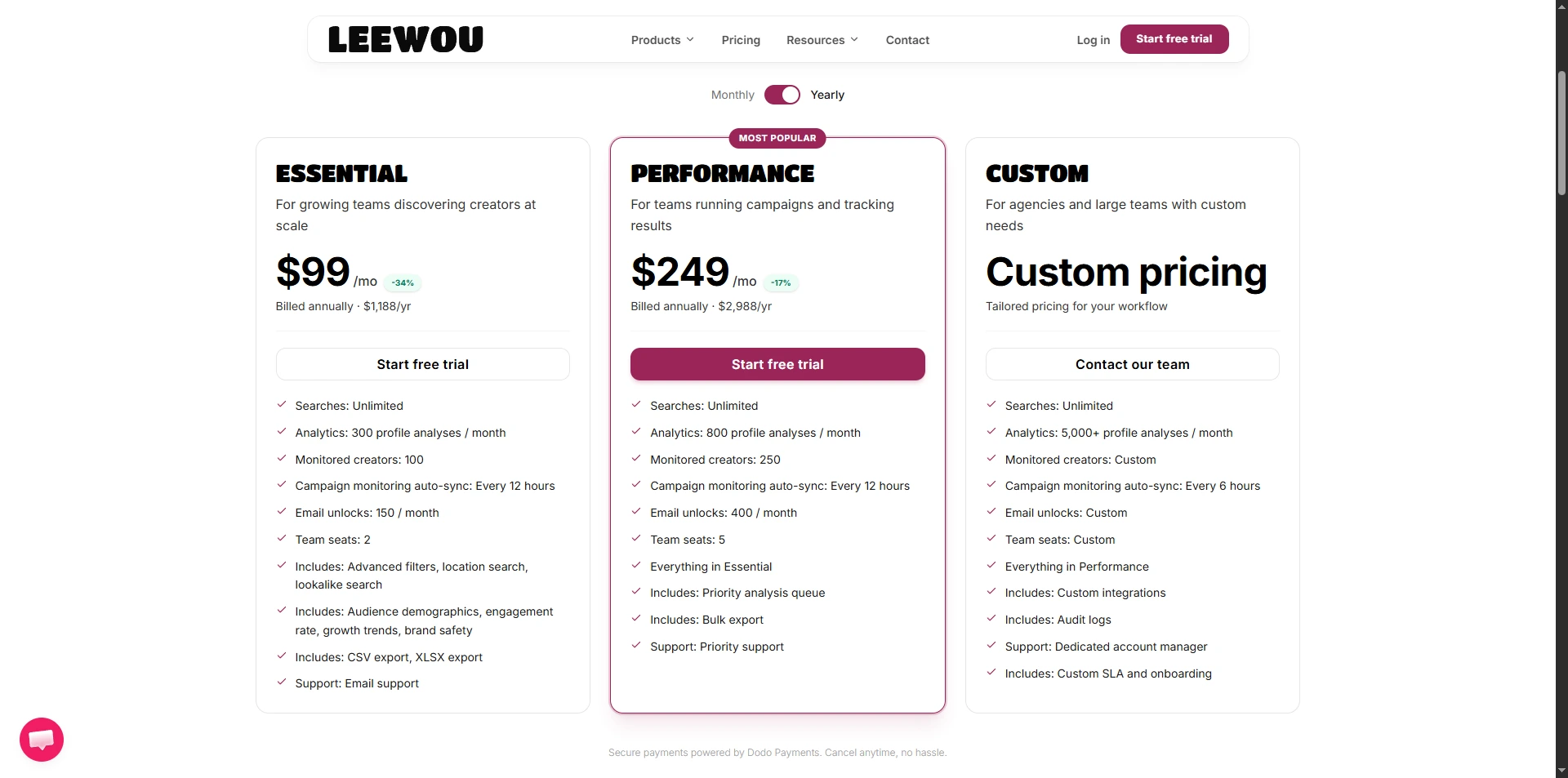
And if the published tiers don't match your team, we'll build one that does. Teams that only analyze creators sourced elsewhere, or only track campaigns for a roster they already signed, get priced on those pieces alone, which normally lands under Essential.
See the receipts yourself
Check the pricing claim on this page first, since it's the one that contradicts most of the internet:
- GRIN's own pricing page, showing the five self-serve plans from $0 to $1,500/mo and the month-to-month terms
- Why is every influencer marketing platform so expensive?, r/influencermarketing, 32 comments from a buyer who got quotes from CreatorIQ, GRIN, and Traackr
- Grin vs. Upfluence?, r/influencermarketing, an agency manager on GRIN's old cost and its Shopify strengths
- Looking for influencer marketing platforms, r/influencermarketing, a DTC consultant ruling GRIN out on price
- GRIN reviews on G2, verified reviews and the pros and cons breakdown
FAQ
GRIN alternatives: common questions
Unlimited search, a flat bill, and no credit meter
430M+ creators across Instagram, TikTok, and YouTube. 14 days free, no credit card.